By Scott Hooper
July 29, 2026
Swimming pools are a source of joy and relaxation for many families, but choosing the right pool enclosure can significantly elevate the experience. A well-selected pool enclosure can improve comfort, support safety goals, reduce debris, and make the pool area more useful throughout the year. Because every home, climate, and family routine is different, the right choice should reflect both practical needs and personal style.
Outdoor pool areas are exposed to sun, rain, wind, insects, leaves, temperature changes, and daily wear. A thoughtful enclosure system helps control many of those challenges without taking away from the enjoyment of swimming. Before making a decision, homeowners should compare materials, design styles, maintenance expectations, ventilation, and the way the space will be used on ordinary days and during special gatherings.
Factors such as local weather, the frequency of pool use, and the presence of children or pets should all guide the selection process. A pool enclosure should feel like a natural extension of the home rather than an afterthought. When the structure is chosen carefully, it can make the pool area cleaner, safer, more comfortable, and more attractive.
Understanding Different Types of Enclosures
Screen Enclosure Systems
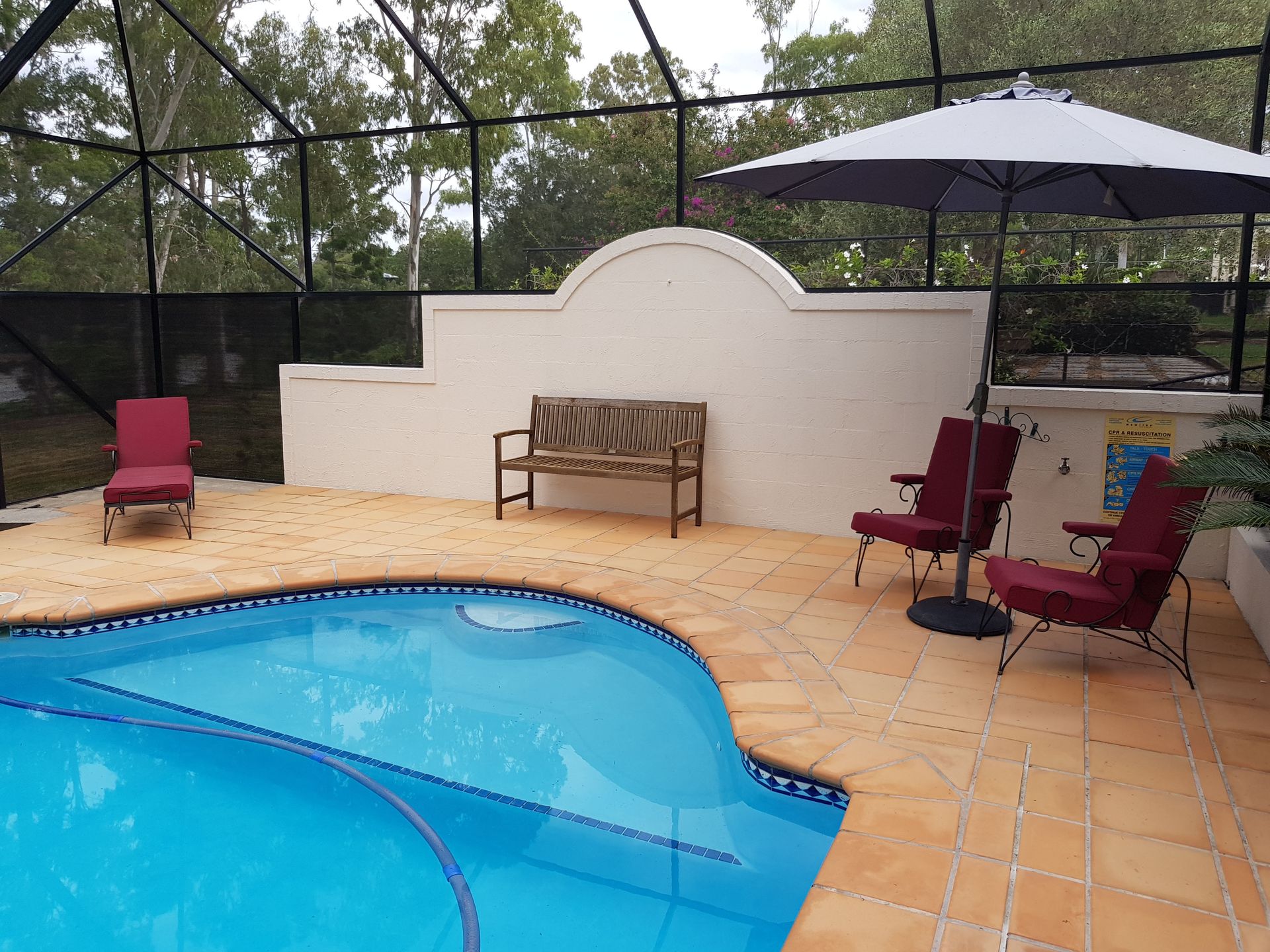
Screen enclosure systems are popular because they provide airflow while creating a helpful barrier against insects, leaves, and yard debris. They are especially practical in warm climates where homeowners want to enjoy fresh air without constantly cleaning the pool. This style works well for families who value an open outdoor feeling and want a cost-effective way to make the swimming area easier to maintain.
A screen-style pool enclosure can also support basic safety planning by creating a more defined boundary around the water. While supervision and proper barriers are still essential, the added layer of separation can help homeowners manage access to the pool area. Screens are also useful for reducing direct exposure to nuisance pests, which can make evenings outside much more enjoyable.
Maintenance is usually straightforward. Homeowners should rinse screens, check panels for tears, inspect fasteners, and clear debris from corners and roof sections. With regular care, screen systems can remain functional and attractive for many years. Their simple appearance also allows them to blend with many home styles without overwhelming the landscape.
Glass Enclosure Systems
Glass enclosure systems are often chosen for their modern appearance and stronger protection from changing weather. They create a bright, polished look while helping retain warmth around the pool. This makes them a strong option for homeowners who want a refined design and a swimming area that feels comfortable during cooler seasons.
A glass pool enclosure can create an indoor-outdoor feeling that connects the pool with the surrounding view. Because glass allows natural light to enter, the space can feel open even when it is protected from rain, wind, or cooler air. This design can be especially appealing for homes with scenic backyards, gardens, or waterfront views.
Homeowners should remember that glass requires consistent cleaning to preserve its clear, polished look. Water spots, pollen, fingerprints, and dust can build up quickly, especially in busy households. Still, the visual appeal, thermal benefits, and long-term value make glass a worthwhile option for many properties.
Retractable Enclosure Systems
Retractable enclosure systems offer flexibility for homeowners who want both open-air swimming and weather protection. These systems can be opened when the weather is pleasant and closed when rain, wind, cold air, or debris would otherwise interrupt pool use. This adaptability makes them especially helpful in climates with frequent seasonal changes.
A retractable pool enclosure is a strong fit for families that entertain often or use the pool for different purposes throughout the year. The area can feel open and breezy during a summer gathering, then become more sheltered during cooler months or unpredictable weather. For homeowners who want control over the environment, retractable systems offer a practical balance between freedom and coverage.
Because these systems include moving parts, maintenance is important. Tracks, rollers, seals, and operating mechanisms should be inspected and cleaned on a routine schedule. When the system is cared for properly, it can extend the swimming season and make the pool area feel more versatile.
Evaluating Your Climate Zone
Tropical and Subtropical Climates
In tropical and subtropical climates, heat, humidity, rain, and sun exposure all affect enclosure choices. Materials should resist corrosion, mildew, fading, and warping. Ventilation is especially important because trapped heat can make the pool area uncomfortable, even when the structure provides helpful shade and protection.
Homeowners in these regions may prefer screen systems or retractable designs that allow airflow while keeping insects and debris away from the water. UV-resistant materials can help protect both swimmers and the structure itself. Gutters and drainage features may also be important where heavy rainfall is common.
Safety planning should remain a priority in warm regions where pools may be used often. According to the Centers for Disease Control, more children ages one to four die from drowning than any other cause of death. The right pool enclosure can help define the pool area and support responsible access control, but it should be paired with supervision, secure doors, alarms, and any barriers required by local rules.
Temperate Climates
Temperate climates often bring seasonal variation, which means homeowners may want an enclosure system that extends pool use beyond the warmest months. Insulated glass, retractable panels, or hybrid designs can help maintain comfort during spring and fall. These options allow the pool to remain enjoyable even when temperatures shift throughout the day.
Design also plays a major role in temperate regions. Since the pool area may be visible year-round, homeowners often want materials and colors that complement the home. Metal frames, glass panels, screens, and mixed-material designs can all work well when they are chosen with the property’s overall appearance in mind.
Routine maintenance is typically manageable in these climates. Seasonal cleaning, inspections, and minor repairs can keep the structure performing well. A pool enclosure in a temperate area should balance comfort, appearance, and dependable protection from changing weather.
Arid and Desert Climates
Arid and desert climates require protection from intense sunlight, dust, wind, and high daytime temperatures. UV-resistant materials are essential because constant exposure can fade finishes and weaken certain components over time. Ventilation and shade should also be carefully planned so the enclosed area does not become too hot.
Dust is another concern. Tight seals, sturdy screens, and reinforced panels can help reduce the amount of sand and debris that enters the pool. This can lower cleaning demands and help keep the water clearer between service visits.
For desert homes, the right pool enclosure can create a more comfortable retreat while reducing the effects of harsh outdoor conditions. Homeowners may also consider automated openings, fans, or shade features to improve airflow and comfort during peak heat.
Choosing the right pool enclosure starts with understanding how your family uses the pool, what your climate demands, and which features matter most for comfort, safety, and long-term value. From simple screen systems to custom-built designs, each option offers unique benefits for protecting the pool area and making it more enjoyable. With the right materials, layout, and safety features, a pool enclosure can turn your backyard into a cleaner, more comfortable, and more dependable space for relaxing, swimming, and spending time with the people who matter most. Contact Boss Garage Door & Screen Solutions today to learn more.